
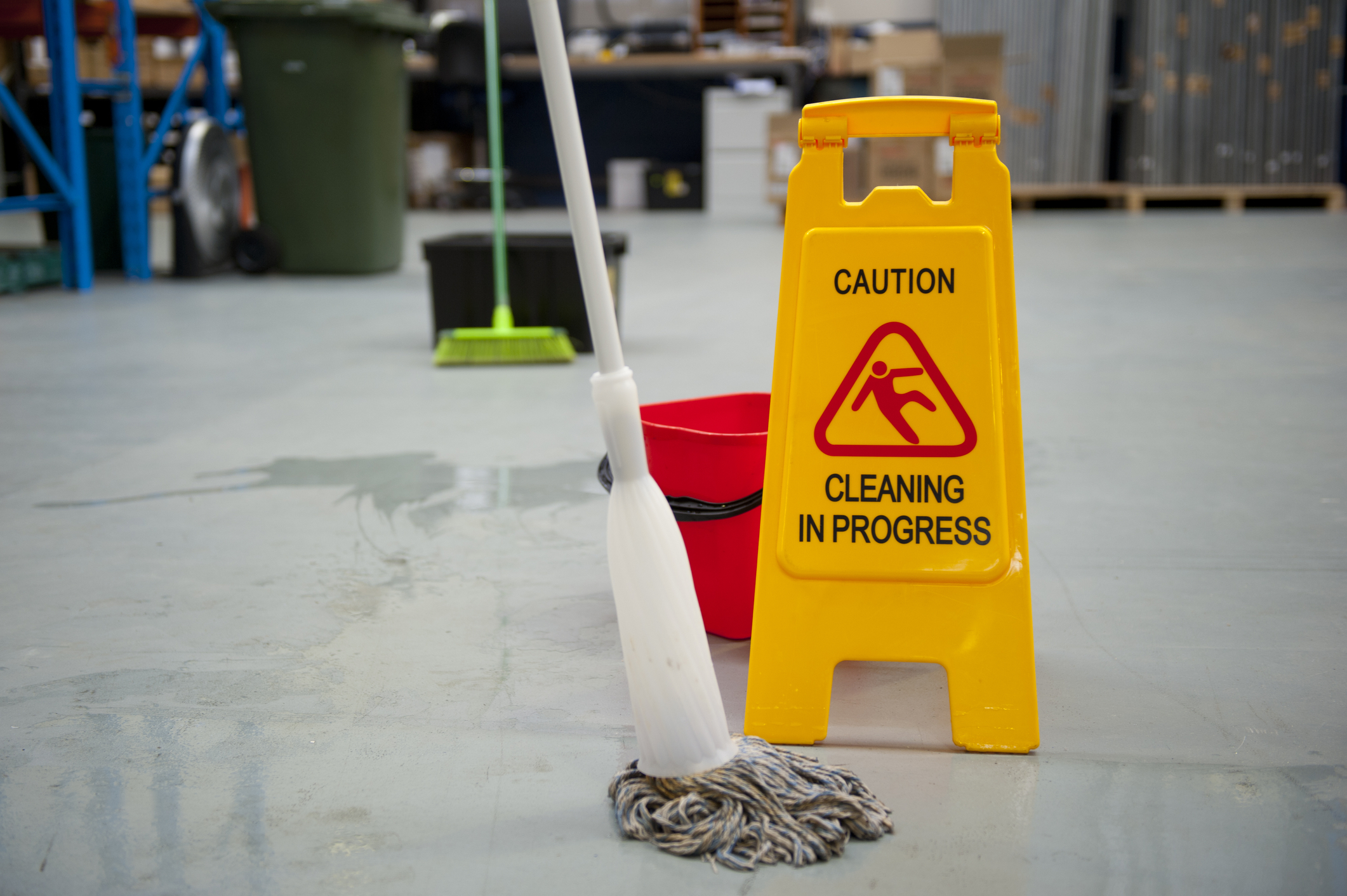
Warehouses are the beating heart of the UK’s logistics and supply chain industry. From e-commerce fulfilment hubs to manufacturing storage facilities, these environments move thousands of goods every day. But with constant vehicle traffic, heavy stock movement, and high-volume operations, warehouses can also become high-risk environments if cleanliness and organisation are not prioritised.
That’s why warehouse cleaning is not simply about appearance; it’s a fundamental part of health and safety management.
At Intercounty, we work closely with warehouse operators across the UK to create safer, more efficient facilities through professional warehouse cleaning and fundamental commercial services. In this guide, we’ll walk you through a Health & Safety-first Standard Operating Procedure (SOP) for cleaning warehouse environments that helps reduce workplace incidents, protect staff, and maintain compliance.
Why Warehouse Cleaning Is Critical for Health & Safety
In busy warehouse environments, small issues can quickly turn into major hazards. Dust accumulation, packaging debris, oil spills, or poorly maintained floors can all increase the likelihood of accidents.
The most common warehouse incidents in the UK include:
- Slips and trips
- Forklift collisions caused by obstructed visibility
- Fire risks from dust and waste build-up
- Respiratory issues from airborne particles
- Contamination of stored goods
A structured approach to cleaning warehouse facilities helps mitigate these risks before they escalate.
Regular warehouse cleaning services can also support:
- Compliance with HSE guidelines
- Safer working environments for staff
- Reduced equipment wear and downtime
- Improved operational efficiency
- A more professional environment for inspections and audits
Simply put, cleanliness and safety go hand in hand.
A Health & Safety-First Warehouse Cleaning SOP
An effective warehouse cleaning SOP ensures that cleaning tasks are carried out consistently, safely, and without interrupting operations.
Below is a proven framework many UK warehouses use to maintain safe and compliant facilities.
Step 1: Conduct a Risk-Based Cleaning Assessment
Before implementing any cleaning routine, a full site assessment should be conducted.
Different warehouse zones require different cleaning approaches. For example:
- Loading bays accumulate debris and oil spills
- Storage aisles gather dust and packaging waste
- Picking zones that see high foot traffic and require constant upkeep
- High-level areas collect airborne dust that can become a fire risk
A professional warehouse cleaning services provider will assess:
- Floor condition and contamination levels
- Traffic patterns of forklifts and staff
- Dust accumulation on racking and beams
- Waste management points
- Hazard hotspots
This allows cleaning schedules to focus on the areas that most impact safety.
Step 2: Establish Daily Cleaning Tasks
Daily cleaning routines are essential in busy warehouses where debris builds up quickly.
Typical daily tasks when cleaning warehouse spaces include:
- Removing packaging waste and loose debris
- Sweeping high-traffic aisles
- Spot-cleaning spills immediately
- Clearing loading dock areas
- Emptying waste bins
The key goal of daily cleaning is hazard prevention.
By eliminating obstructions and contaminants early, you significantly reduce slip, trip, and collision risks.
Step 3: Implement Scheduled Deep Warehouse Cleaning
While daily maintenance is important, deeper cleaning is necessary to manage long-term risk.
Weekly or monthly warehouse cleaning often includes:
- Machine floor scrubbing
- Degreasing workshop areas
- Cleaning warehouse racking
- Dust removal from high-level structures
- Sanitising staff break areas and washrooms
Dust accumulation on high beams and lighting can also become a serious fire hazard in warehouses storing combustible materials. Professional warehouse cleaning services use specialist equipment such as high-reach vacuums and access platforms to safely remove this dust.
Step 4: Maintain Warehouse Floors
Warehouse floors take the most punishment in any facility.
Forklifts, pallet trucks, foot traffic, and heavy stock movement can quickly degrade flooring surfaces. If floors become dirty, oily, or damaged, the risk of accidents increases dramatically.
Effective warehouse cleaning of floors should include:
- Industrial sweeping
- Mechanical floor scrubbing
- Spill removal and degreasing
- Line marking visibility checks
Keeping floors clean also improves traction for forklift tyres and footwear.
In many warehouses, machine-based cleaning warehouse solutions are far more effective than manual cleaning. Industrial scrubber dryers, for example, can clean large areas quickly while reducing downtime.
Step 5: Control Dust and Airborne Contaminants
Dust is one of the most underestimated hazards in warehouse environments.
Accumulated dust can:
- Reduce air quality for staff
- Increase fire risk
- Contaminate stored goods
- Affect the machinery performance
A structured warehouse cleaning programme should include:
- High-level dust removal
- Ventilation and extraction cleaning
- Regular vacuuming of racking structures
- Cleaning lighting fixtures
This type of work often requires trained professionals who specialise in warehouse cleaning services, as it involves working at height and specialised equipment.
Step 6: Ensure Safe Waste Management
Waste materials such as cardboard, plastic wrapping, pallets, and broken packaging are common in warehouse operations.
If not managed properly, these materials can create:
- Trip hazards
- Blocked emergency exits
- Fire risks
Effective cleaning warehouse operations must include clear waste management processes.
Best practices include:
- Designated waste collection points
- Regular bin emptying schedules
- Cardboard compaction systems
- Clear segregation of recyclable materials
A well-organised waste system keeps the warehouse floor clear and supports sustainability goals.
Step 7: Schedule Specialist Warehouse Cleaning
Some areas of a warehouse require specialist cleaning that internal teams may not have the equipment or training to perform safely.
These tasks can include:
- High-level racking cleaning
- Warehouse roof and beam dust removal
- Deep floor restoration
- External loading bay cleaning
- Industrial pressure washing
Professional warehouse cleaning services ensure these tasks are completed safely and in compliance with UK health and safety regulations.
This also prevents disruption to your core operations.
The Operational Benefits of Professional Warehouse Cleaning
A well-structured cleaning programme delivers far more than basic hygiene.
Businesses that invest in professional warehouse cleaning often see improvements in:
- Reduced Workplace Incidents: Clean floors and clear walkways reduce slips, trips, and collisions.
- Improved Productivity: When workspaces are organised and clean, staff can move more efficiently through the facility.
- Better Compliance: Maintaining a documented cleaning SOP helps demonstrate compliance with workplace safety regulations.
- Enhanced Brand Reputation: A clean warehouse creates a positive impression during audits, inspections, and client visits.
- Longer Equipment Lifespan: Dust and debris can damage machinery and vehicles. Regular cleaning of warehouse environments helps prevent this.
Why Businesses Across the UK Choose Intercounty
At Intercounty, we understand that warehouse environments are fast-moving and operationally complex. Cleaning isn’t just about maintaining standards, it’s about supporting health, safety, and productivity.
Our specialist warehouse cleaning services are designed specifically for logistics facilities, distribution centres, and industrial warehouses across the UK.
From routine warehouse cleaning and floor maintenance to high-level dust removal and deep facility cleaning, our experienced teams work safely and efficiently to keep your site compliant and operational.
We tailor every cleaning warehouse programme around your operational hours, risk profile, and safety priorities.
Keep Your Warehouse Safe, Compliant and Incident-Free
A clean warehouse isn’t just good housekeeping; it’s a critical part of protecting your staff, your stock, and your operations.
At Intercounty, we provide professional warehouse cleaning services designed to reduce risk, improve safety, and maintain high operational standards in busy warehouse environments across the UK.
Whether you need routine warehouse cleaning, deep cleaning for high-traffic areas, or specialist high-level dust removal, our experienced team is ready to help.
Book Your FREE Warehouse Cleaning Site Assessment
Let our specialists assess your facility and recommend a tailored commercial cleaning programme that supports your health & safety goals.
Speak to the Intercounty team today to request a FREE quote or arrange a site visit at our head office: Brindley Close, Rushden, Northants – NN10 6EN and discover how expert cleaning warehouse solutions can create a safer, more efficient workplace.
Your warehouse keeps the UK moving — we’ll help keep it safe.
Frequently Asked Questions
How often should a warehouse be cleaned?
A. Most warehouses require daily cleaning for high-traffic areas, weekly deep cleaning, and periodic specialist cleaning for high-level dust and floors.
The exact schedule depends on the type of goods stored and the volume of operations.
2. What equipment is used for warehouse cleaning?
A. Professional warehouse cleaning services often use:
- Industrial sweepers
- Scrubber dryers
- High-reach vacuum systems
- Pressure washers
- Access platforms for high-level cleaning
These tools allow large facilities to be cleaned safely and efficiently.
3. Why is dust removal important in warehouses?
A. Dust build-up can become a serious fire hazard, especially in warehouses storing combustible materials such as cardboard or textiles.
Regular warehouse cleaning reduces this risk while improving air quality for employees.
4. Can warehouse cleaning be done during operating hours?
A. Yes, but it requires careful planning.
Many warehouses schedule certain cleaning warehouse tasks during quieter operational periods or after hours to minimise disruption.
Professional cleaning providers are experienced in working around live environments safely.
5. What areas of a warehouse require the most cleaning?
A. The highest priority areas include:
- Loading docks
- Picking aisles
- Packing stations
- Warehouse floors
- Waste storage areas
These zones experience the most activity and therefore present the greatest safety risks.