
When you’re investing in quality cleaning services, you’re not just paying for a tidy space; you’re paying for consistency, accountability, and measurable results. But how do you actually prove quality cleaning? That’s where SLAs, KPIs, and audits come in.
At Intercounty, we don’t rely on guesswork. We build transparent systems that demonstrate, track, and continuously improve quality office cleaning across every site we manage, especially during critical periods like summer deep cleans in UK schools.
Let’s break down exactly how we do it and why it matters to you.
What are SLAs, KPIs, and cleaning audits, and why do they matter?
SLAs (Service Level Agreements), KPIs (Key Performance Indicators), and audits are structured tools used to define, measure, and verify cleaning performance. Together, they ensure that your quality cleaning service is consistent, accountable, and aligned with your expectations.
In simple terms:
- SLAs set the standards
- KPIs measure performance
- Audits prove delivery
Without these, even the best quality cleaning company can’t objectively demonstrate value.
What is a cleaning SLA, and what should it include?
A cleaning SLA is a formal agreement outlining exactly what “quality” means for your site. It defines expectations, responsibilities, and measurable outcomes.
An efficient SLA from Intercounty typically includes:
- Scope of work (daily, weekly, and periodic tasks)
- Cleaning frequencies and schedules
- Response times for urgent requests
- Quality benchmarks for different areas
- Compliance requirements (health & safety, COSHH, etc.)
For example, in a school setting during summer, the SLA will go far beyond routine cleaning. It will detail deep cleaning standards, including:
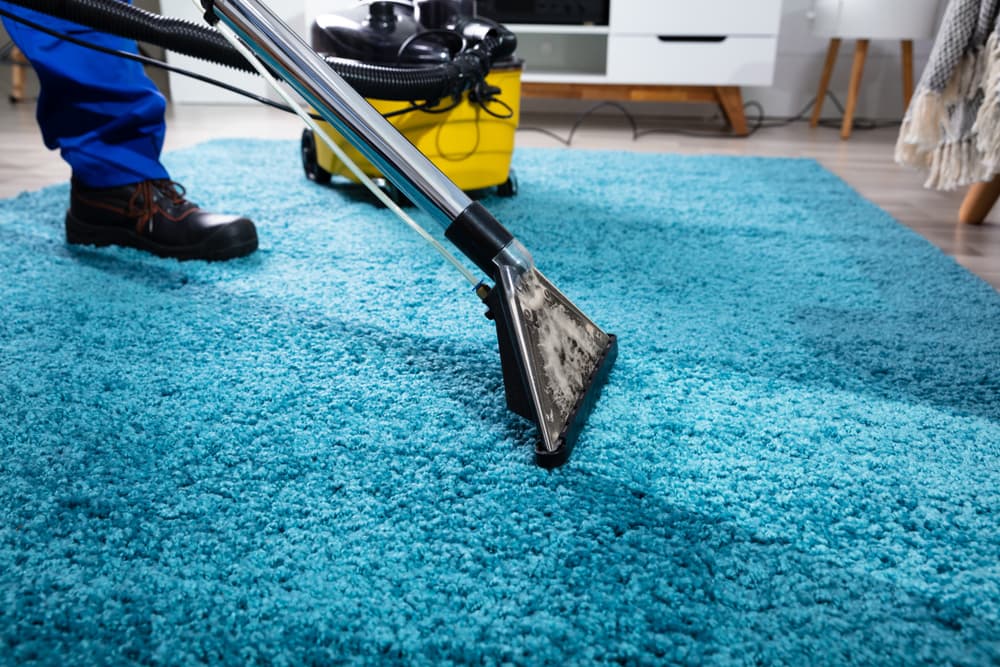
- Carpet extraction
- Washroom descaling
- High-level dusting
- Infection control measures
This ensures your quality cleaning services are tailored, not generic.
Service Level Agreement (SLA) Checklist Table
| Service Area | Scope of Work | Frequency | Quality Standard | Response Time | Compliance Requirements |
| General Office Cleaning | Dusting, vacuuming, waste removal, surface sanitisation | Daily | No visible dust, debris, or streaks; sanitised touchpoints | Same day for issues raised before 12 pm | HSE guidelines, COSHH compliance |
| Washroom Cleaning | Toilet cleaning, descaling, and replenishment of consumables | Daily / Multiple times per day | Odour-free, sanitised surfaces, fully stocked | Within 2 hours for urgent issues | UK hygiene regulations, infection control standards |
| Kitchen & Breakout Areas | Surface cleaning, appliance wipe-down, bin management | Daily | Hygienic, grease-free surfaces, no waste overflow | Same day | Food hygiene standards |
| Floor Care | Vacuuming, mopping, machine scrubbing (where applicable) | Daily / Weekly | Clean, slip-free floors with no visible marks | Same day | Health & Safety (slip prevention) |
| Deep Cleaning (Schools – Summer) | Carpet extraction, high-level dusting, full sanitisation | Annually (Summer Term Break) | Fully reset the environment, compliant with school hygiene standards | Project-based deadlines | Department for Education guidance, HSE |
| High-Touch Point Disinfection | Door handles, switches, desks, shared equipment | Daily / High-frequency | Sanitised with approved disinfectants | Immediate attention if flagged | Infection prevention protocols |
| Reactive Cleaning | Spillages, emergency cleaning, unexpected requirements | As required | Immediate containment and full cleaning | Within 1–2 hours | Health & Safety compliance |
How do KPIs measure quality cleaning performance?
KPIs track how well cleaning services are being delivered against agreed standards. They turn subjective opinions into measurable data.
At Intercounty, typical cleaning KPIs include:
- Cleaning quality scores (from inspections)
- Task completion rates
- Response times to issues
- Customer satisfaction ratings
- Absenteeism and staff consistency
For schools, especially during summer deep cleans, KPIs might focus on:
- Completion of all scheduled deep cleaning tasks before the term starts
- Hygiene compliance levels in high-risk areas
- Turnaround times for large facilities
These KPIs ensure that your quality office cleaning isn’t just promised; it’s proven.
Commercial cleaning KPI checklist/table
| KPI Category | Metric | Target Benchmark | Measurement Method | Reporting Frequency | Client Benefit |
| Cleaning Quality Score | Audit inspection score | ≥ 95% | Site audits using structured checklists | Monthly | Ensures consistent quality office cleaning |
| Task Completion Rate | % of scheduled tasks completed | 100% | Digital task tracking system | Weekly | Guarantees SLA adherence |
| Response Time | Time taken to resolve issues | ≤ 2 hours (urgent) | Helpdesk logs/reporting system | Monthly | Fast resolution of cleaning issues |
| Customer Satisfaction | Client feedback score | ≥ 4.5/5 | Surveys and review meetings | Quarterly | Ensures service meets expectations |
| Staff Attendance & Reliability | Absenteeism rate | ≤ 3% | HR and rota tracking | Monthly | Maintains service continuity |
| Audit Compliance Rate | % of audits passed | ≥ 98% | Internal & external audits | Monthly / Quarterly | Demonstrates accountability |
| Health & Safety Compliance | Number of incidents | (Zero incidents target) | Incident reports | Ongoing | Safe working environment |
| Deep Cleaning Completion (Schools) | % of project delivered on time | 100% before term start | Project tracking & sign-off | Per project | Ensures readiness for the new term |
| Consumables Management | Stock availability | 100% availability | Site checks & logs | Weekly | Prevents disruption in washrooms/kitchens |
How are cleaning audits carried out?
Cleaning audits are structured inspections that assess whether standards are being met. They provide tangible evidence of performance.
At Intercounty, the audits are as follows:
- Conducted regularly (weekly, monthly, and quarterly)
- Based on detailed checklists aligned with SLAs
- Scored for transparency
- Shared with clients for full visibility
We combine manual inspections with digital reporting tools, allowing clients to see real-time performance data.
In schools, summer audits are particularly intensive. Why? Because this is when facilities undergo deep cleaning transformations, preparing for a new academic year. Every classroom, corridor, and washroom is scrutinised.
Commercial Cleaning Audit Checklist
| Audit Type | Frequency | Conducted By | Purpose | Outcome |
| Routine Site Audit | Weekly / Monthly | Supervisor / Area Manager | Measure cleaning quality | Scored report shared with client |
| Client Review Audit | Quarterly | Account Manager + Client | Review performance & KPIs | Action plan & improvements |
| Deep Clean Audit (Schools) | Pre- and post-summer | Senior Management | Ensure full compliance before reopening | Final sign-off report |
| Spot Checks | Ad hoc | Management Team | Maintain standards | Immediate corrective action |
What does “quality cleaning” actually mean in measurable terms?
“Quality cleaning” means meeting defined standards consistently, not occasionally. It’s about delivering the same high level of cleanliness every single time.
In measurable terms, this includes:
- No visible dirt, dust, or debris
- Sanitised high-touch surfaces
- Odour-free environments
- Compliance with hygiene regulations
For a quality cleaning company, quality isn’t subjective; it’s scored, tracked, and improved.
How does Intercounty ensure consistency across multiple sites?
Consistency comes from systems, not luck. We standardise processes while tailoring them to each client.
Here’s how we do it:
- Site-specific SLAs tailored to your needs
- Uniform training for all staff
- Digital tracking of KPIs and audits
- Dedicated account management
Whether it’s a single office or a network of schools, our approach ensures your quality cleaning service is reliable across every location.
Why are summer deep cleans critical for UK schools?
Summer is the ideal time for deep cleaning in schools because buildings are empty, allowing for thorough, uninterrupted work.
This period is crucial because:
- Dirt and bacteria accumulate over the academic year
- Classrooms need resetting for a fresh start
- Health and safety standards must be met before reopening
At Intercounty, summer deep cleans are treated as major projects, not routine jobs. Our SLAs expand to include intensive tasks, KPIs become more detailed, and audits are more rigorous.
This is where true quality cleaning services shine, when the stakes are highest.
How do audits improve cleaning over time?
Audits don’t just measure performance; they drive improvement. By identifying gaps, they allow for immediate corrective action.
At Intercounty:
- Audit results are reviewed with clients
- Action plans are created for any issues
- Trends are analysed to prevent recurring problems
This continuous improvement cycle ensures your quality office cleaning gets better over time—not stagnant.
What should you expect from a quality cleaning company?
A quality cleaning company should offer more than just cleaning—it should offer accountability, transparency, and results.
You should expect:
- Clear SLAs tailored to your site
- Measurable KPIs
- Regular, transparent audits
- Open communication
- Continuous improvement
If these elements are missing, it’s difficult to verify true quality.
Ready to Experience Proven Quality Cleaning?
At Intercounty, we don’t just talk about quality; we prove it. Our structured approach to SLAs, KPIs, and audits ensures that every client receives consistently high standards, whether it’s quality office cleaning or large-scale summer deep cleans in schools.
If you’re tired of inconsistent results or unclear expectations, it’s time for a smarter approach. We’ll work with you to define exactly what “quality” looks like for your space and then deliver it transparently and reliably.
Let’s Raise Your Cleaning Standards
Partner with Intercounty and experience a quality cleaning service that’s built on accountability, data, and results. From tailored SLAs to real-time performance tracking, we give you complete confidence in your cleaning provision.
- Opt for your free cleaning quote
- Get tailored commercial cleaning services
- Opt for tailored commercial carpet cleaning
- Also see our commercial window cleaning services
Get in touch today to discuss your requirements and discover how our quality cleaning services can transform your environment, cleaner, safer, and ready for whatever comes next.
FAQs
1. What is the difference between an SLA and a KPI in cleaning?
An SLA defines what level of service is expected, while a KPI measures how well that service is delivered. Together, they ensure accountability in quality cleaning services.
2. How often should cleaning audits be conducted?
Cleaning audits should be carried out regularly—typically weekly or monthly—depending on the site. High-traffic environments like schools may require more frequent audits.
3. What KPIs are most important for office cleaning?
The most important KPIs include cleaning quality scores, task completion rates, and customer satisfaction. These directly reflect the effectiveness of quality office cleaning.
4. Why are SLAs important in commercial cleaning contracts?
SLAs provide clarity and accountability. They ensure both the client and the quality cleaning company understand expectations and responsibilities.
5. How do you measure cleaning quality objectively?
Cleaning quality is measured using structured audits, scoring systems, and KPIs. This removes subjectivity and ensures consistent standards.
6. What is included in a school summer deep clean?
A school summer deep clean includes carpet cleaning, washroom sanitisation, high-level dusting, and full disinfection of classrooms and communal areas.
7. Can cleaning performance really be improved over time?
Yes. With regular audits and KPI tracking, cleaning performance can be continuously improved, ensuring long-term quality.
8. What makes a cleaning company “high quality”?
A high-quality cleaning company uses SLAs, KPIs, and audits to deliver consistent, measurable results, not just promises.